
Debunking 10 Fall Myths & 6 Easy Steps to Avoid a Fall


The Myths:
Unveiling the Truth About Falls in Older Adults Falls among older adults have long been mistakenly regarded as an inevitable consequence of aging. For the record, falls are not a normal part of growing older. In fact, the majority of falls can be prevented, and you hold the key to reducing your risk. In this blog, we aim to shed light on the continual myths surrounding falls in older adults and reveal the facts. Here are 10 common myths;
Myth 1: Falling is a problem for someone else, not me
Fact: Many individuals assume, "It won't happen to me," but the truth is that 1 in 4 older adults experience falls every year,
Myth 2: Falling is just a natural part of the aging process.
Fact: Falling is not an expected consequence of growing older. You can take proactive steps to prevent falls,
Myth 3: Limiting my physical activity will keep me from falling.
Fact: Some people believe that staying home is the best way to prevent falls. However, This is a misconception. Engaging in physical activities actually promotes independence.
Myth 4: Staying home ensures I won't experience a fall.
Fact: Surprisingly, more than half of all falls occur within the home. It's essential to inspect your living space for potential fall hazards.
Myth 5: Lost muscle strength and flexibility are irreversible.
Fact: Although muscle loss is a part of the aging process, exercise can partially restore both strength and flexibility
Myth 6: Medications don't contribute to my fall risk.
Fact: The truth is that any medication can potentially increase the risk of falling. Medications affect individuals differently and may cause dizziness or drowsiness.
Myth 7: There's no need for annual vision check-ups.
* Fact: Vision plays a significant role in fall prevention. Aging can lead to specific vision impairments that elevate the risk of falling and injury.
Myth 8: Using a walker or cane makes me more reliant.
Fact: Walking aids are valuable tools for many older adults looking to maintain or improve their mobility. However, it's essential to use these devices safely.
Myth 9: Discussing fall concerns with family or healthcare providers is unnecessary.
Fact: Fall prevention is a collaborative effort. Engage in conversations about your concerns with your doctor, family, and anyone capable of offering support.
Myth 10: Talking to my parent, spouse, or another older adult about their fall risk is inappropriate and intrusive.
Fact: Not true, express your worries and offer assistance to help them maintain their independence.
Conclusion; Now that we've explored and debunked the prevalent myths surrounding falls, it's essential to delve deeper into proactive measures that can be taken to protect ourselves from becoming a fall statistic.

Take a moment to explore how this device can enhance safety and provide reassurance. https://www.adaptiveclothingaustralia.com/fall-alert-watches

Fall Prevention:
6 Easy Steps to Avoid Falls
Falls can lead to severe injuries. Protect yourself by implementing straightforward fall prevention measures. There's no need to let the fear of falling dictate your life. These six fall prevention strategies will assist in safeguarding your well-being.
1. Health Condition Discussion:
Talk to loved ones or GP about your current health conditions and concerns about falling. . . Your healthcare provider may also conduct assessments of your muscle strength, balance, and gait style to gain a more comprehensive understanding of your fall risk.
This collaborative approach is essential in reducing the likelihood of falls.
2. Stay Active and Mobile
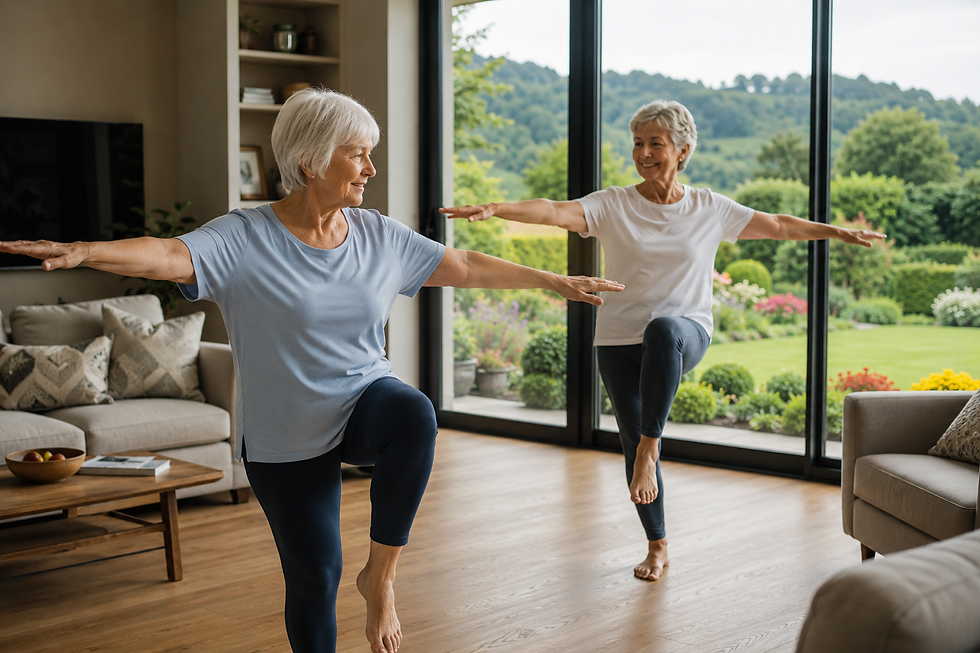
Engaging in physical activity plays a pivotal role in fall prevention. With the approval of your healthcare provider, contemplate incorporating activities like walking, aquatic exercises, or tai chi into your routine. If you are concerned that walking or exercises might actually increase the risk of falling, it's important to communicate this to your GP or carer.
3. Wear Practical Shoes
It’s essential to recognize that high heels, flimsy slippers, and shoes sporting smooth soles significantly heighten the risk of slips, stumbles, and falls. Walking in your stocking feet can pose a similar hazard. In lieu of such options, opt for well-fitting, robust, flat shoes equipped with non-skid soles.
4. Remove Potential Home Hazards
Have a friend conduct a thorough assessment of your home to identify and rectify potential fall hazards. To ensure safety of your living space, consider the following measures:
Remove boxes, newspapers, electrical cords etc from walkways to create clear paths.
Reposition coffee tables, magazine racks, and plant stands from high-traffic areas.
Ensure that loose rugs and mats are firmly secured with tacks or non-slip backing.
Repair any loose wooden floorboards or damaged carpeting.
Keep clothing, dishes, and food within easy reach to prevent extra stretching.
Immediately attend to spills of liquids, grease, or food to prevent slippery surfaces.
Enhance bathroom safety by using nonslip mats in your bathtub or shower. Consider using a bath seat that allows you to sit while showering.
5. Illuminate Your Home Environment
Maintaining proper lighting in your home is essential to prevent tripping or stumbling over pets or objects that may be difficult to discern in the dark. Consider these home lighting recommendations:
Night Lights: Place night lights in key areas such as your bedroom, bathroom, and hallways.
Bedside Lamp: Keep a lamp within easy reach of your bed, enabling you to illuminate your surroundings if you need to get up during the night.
Accessible Light Switches: Create clear pathways to light switches that may not be conveniently located near room entrances.
Stair Safety: whether it be a staircase or 1 step, always turn on the lights before ascending or descending.
Emergency Lighting: Store flashlights in easily accessible locations throughout your home to prepare for power outages or emergencies.
6. Use Supportive Devices.
Your GP or OT may suggest the use of a cane or walker to enhance your stability and balance. Additionally, there are various other supportive tools and equipment that can be beneficial, including:
Handrails for Stairways: Handrails on both sides of stairways provide secure support when ascending or descending.
Nonslip Treads: Apply nonslip treads to bare-wood steps to reduce the risk of slipping.
Toilet Enhancements: Consider using a raised toilet seat or one equipped with armrests to facilitate easier up and down movement.
Shower & Bath Safety: Install grab bars in the shower or bath area to provide stability. A seat designed for bathing, along with a hand-held shower nozzle, enables comfortable and secure bathing while seated.
These assistive devices and modifications can significantly improve the safety and accessibility of your living spaces, allowing you to maintain your independence while minimizing the risk of falls and injuries.

=============================================================
Disclaimer
The content published on this blog is provided for general informational and educational purposes only and does not constitute legal, medical, financial, professional, or other advice of any kind.
No information contained in this blog is intended to replace or substitute for professional advice, diagnosis, or treatment.
Readers acknowledge and agree that any reliance on the information provided is undertaken entirely at their own risk. A.C.A., its owners, contributors, affiliates, and representatives expressly disclaim all liability for any loss, damage, injury, or adverse outcome arising directly or indirectly from the use of, or reliance upon, any content published herein.
Before making any decisions or taking any action based on information obtained from this blog, readers should consult an appropriately qualified professional relevant to their specific circumstances.


.png)
Comments