
Activities for Seniors with Dementia

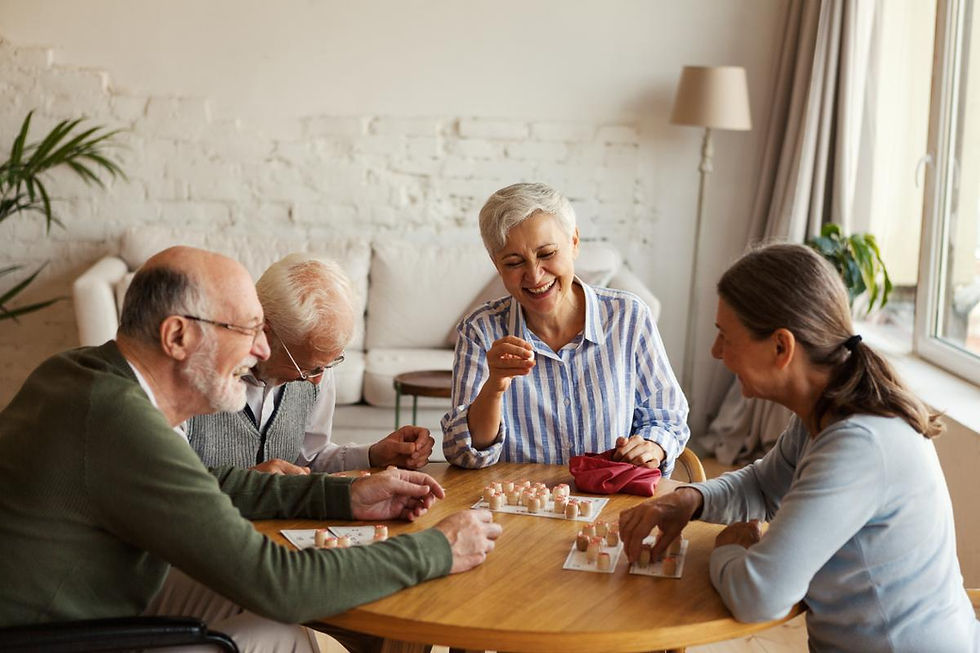
Sensory Stimulation
Sensory stimulation is a beneficial activity for individuals with dementia due to its ability to engage multiple senses and evoke positive emotions. Here's why it's a good activity for someone with dementia:
Stimulates Cognitive Function: Sensory stimulation can trigger various brain regions, promoting cognitive activity and potentially improving memory, attention, and overall cognitive function.
Emotional Well-being: Engaging the senses can elicit positive emotions and memories, helping to reduce feelings of anxiety, agitation, and depression that often accompany dementia.
Non-Verbal Communication: As verbal communication may become challenging for individuals with advanced dementia, sensory experiences offer an alternative way to connect and communicate without relying solely on words.
Reduces Agitation: Sensory activities can have a calming effect, helping to reduce restlessness and agitation that can be common in individuals with dementia.
Promotes Engagement: Individuals with dementia may have difficulty initiating activities. Sensory stimulation provides a simple and accessible way for them to engage without the need for complex instructions.
Enhances Quality of Life: Participating in sensory activities can provide a sense of joy, comfort, and relaxation, ultimately contributing to an improved overall quality of life for individuals with dementia.
Sensory Memories: Our senses are closely linked to memory. Sensory experiences can trigger memories from the past, allowing individuals with dementia to connect with their personal history.
Multi-Sensory Approach: Different sensory inputs can be combined to create a rich and engaging experience. For instance, using both tactile and olfactory elements in an activity can provide a more immersive experience.
Stimulation without Pressure: Many sensory activities can be enjoyed at one's own pace, allowing individuals with dementia to explore and interact without feeling pressured to perform or remember specific details.
Encourages Interaction: Caregivers and family members can participate in sensory activities with their loved ones, fostering positive interactions and meaningful connections.

Pet Therapy
These activities cater to the unique needs of seniors with dementia, promoting mental and emotional well-being while offering opportunities for meaningful engagement and connection
NOTE; While pet therapy offers numerous benefits, it's important to note that the suitability of this activity depends on the individual's preferences, comfort level with animals, and any potential allergies or sensitivities. It's advisable to consult with healthcare professionals and consider the person's specific needs before introducing pet therapy as an activity.
Pet therapy, also known as animal-assisted therapy, is a beneficial activity for individuals with dementia due to the following reasons:
Emotional Connection: Animals provide unconditional love and companionship, creating emotional bonds that can alleviate feelings of loneliness and isolation commonly experienced by individuals with dementia.
Reduced Agitation: Interacting with animals has been shown to reduce agitation and anxiety in dementia patients. The soothing presence of a pet can help calm restless behavior and promote relaxation.
Stimulation of Positive Emotions: Pets evoke positive emotions and memories. Spending time with animals can trigger pleasant memories and feelings, enhancing the individual's overall mood and sense of well-being.
Non-Verbal Communication: Communication can be challenging for individuals with advanced dementia. Pets offer a form of non-verbal communication that transcends language barriers, fostering a sense of connection and understanding.
Physical Interaction: Activities like petting, grooming, or simply being close to an animal involve physical touch. This tactile stimulation can help stimulate sensory perception and promote sensory integration.
Routine and Structure: Caring for a pet introduces a sense of routine and responsibility. Establishing a regular schedule for feeding, walking, and interacting with the pet can contribute to a structured daily routine, which can be comforting for dementia patients.
Encouragement of Social Interaction: Pets often serve as conversation starters and social connectors. Interacting with a pet can prompt engagement and communication with caregivers, family members, or fellow residents in a care setting.
Engagement and Distraction: Animals provide a source of engagement and distraction from challenging symptoms of dementia. Focusing on caring for a pet can divert attention away from negative thoughts and behaviors.
Physical Benefits: The act of petting or stroking an animal can release endorphins, promoting relaxation and potentially reducing pain perception.
Sense of Purpose: Caring for a pet gives individuals a sense of purpose and responsibility, fostering self-esteem and a feeling of contributing positively to another living being's well-being.

Art Therapy
Art therapy offers a holistic approach to improving the quality of life for individuals with dementia. By providing a creative outlet, promoting emotional well-being, and fostering connections, it contributes to a more fulfilling and enriching experience for those living with this condition.
Non-Verbal Communication: Dementia can often lead to difficulties in verbal communication. Art therapy provides an alternative way for individuals to express themselves, communicate emotions, and engage with others without relying solely on words.
Emotional Expression: Creating art can serve as a means to express emotions that might be challenging to articulate verbally. This can help reduce feelings of frustration or agitation that are common among people with dementia.
Stimulation of Memories: Engaging in art can trigger memories and associations from the past. The act of creating art may bring back memories related to the process itself, the subject matter, or the techniques used.
Sensory Stimulation: The tactile experience of manipulating art materials—such as clay, paint, or markers—can provide sensory stimulation that engages multiple senses. This sensory engagement can be particularly beneficial for individuals with dementia.
Boosting Self-Esteem: Completing an art project can foster a sense of accomplishment and boost self-esteem. This positive feeling can have lasting effects on the individual's mood and overall well-being.
Mindfulness and Relaxation: The process of creating art can be meditative and relaxing, helping to reduce anxiety and stress. This is especially important for individuals with dementia who may experience heightened levels of anxiety.
Social Interaction: Participating in art therapy in a group setting can promote social interaction and a sense of community. Sharing creative experiences can foster connections and positive relationships among participants.
Preserving Identity: Engaging in artistic activities can help individuals maintain a sense of identity and individuality. It allows them to continue expressing their preferences, style, and creativity.
Cognitive Stimulation: Art activities require decision-making, problem-solving, and planning—all of which provide cognitive stimulation. Engaging in these activities can help maintain cognitive function and slow cognitive decline.
Family and Caregiver Engagement: Art therapy can be a meaningful way for family members and caregivers to connect with their loved ones with dementia. Participating in creative activities together can create positive and enjoyable shared experiences.

Reminiscence Therapy
Reminiscence Therapy is a highly effective activity for individuals with dementia due to its positive impact on their emotional and cognitive well-being. Reminiscence Therapy taps into the power of nostalgia and memory recall to provide emotional comfort, maintain cognitive connections, and offer a sense of identity and purpose for individuals with dementia.
Here's why it's considered a good activity for those suffering from dementia:
Emotional Connection: Reminiscing about past experiences allows individuals with dementia to connect with their personal history and recall meaningful events. This can result in feelings of comfort, security, and validation, enhancing their emotional well-being.
Maintaining Identity: Dementia can cause a sense of loss of identity and confusion about one's past. Reminiscence Therapy helps seniors retain a sense of self by recalling and sharing stories that define who they are.
Improved Communication: Individuals with dementia often struggle with verbal communication. Reminiscing can help bridge this gap, as memory recall might be stronger than their ability to generate new speech. It encourages interaction and engagement with caregivers, family, or peers.
Reduced Agitation: Engaging in familiar conversations and discussions about past experiences can help reduce restlessness and agitation. It offers a calming effect, particularly during moments of confusion or anxiety.
Stimulation of Long-term Memory: Dementia primarily affects short-term memory, but long-term memories are often preserved for a longer duration. Reminiscence Therapy capitalizes on this, allowing individuals to recall and share events from their distant past.
Enhanced Social Interaction: Sharing stories can lead to social interaction, facilitating connections with family members, friends, caregivers, or support groups. It promotes a sense of belonging and reduces feelings of isolation.
Validation and Empowerment: The act of recounting memories validates the individual's experiences and emotions. This empowerment can improve their self-esteem and confidence.
Quality of Life: Reminiscing about positive memories contributes to an overall improved quality of life. It offers moments of joy, happiness, and fulfillment, even in the presence of cognitive challenges.
Therapeutic Benefit: Reminiscence Therapy can be facilitated by trained professionals, such as therapists or counselors, who guide the process in a structured and supportive manner. This ensures that the therapy is tailored to the individual's needs and therapeutic goals.

Music Therapy
Incorporating music therapy into the care plan of someone with dementia can create moments of connection, improve mood, and contribute to their overall well-being. It's a powerful tool that taps into the enduring relationship between music and memory.
Music therapy is a highly effective activity for individuals with dementia due to its profound impact on various cognitive, emotional, and social aspects. Here's why music therapy is particularly beneficial for someone with dementia:
Emotional Connection: Music has the power to evoke strong emotions and memories that may be otherwise difficult for individuals with dementia to access. Listening to familiar songs can trigger positive feelings and connections to their past.
Reduced Agitation: Music has a calming effect on many individuals with dementia. It can help reduce feelings of restlessness, anxiety, and agitation, creating a more peaceful environment.
Enhanced Communication: Music can serve as a form of communication when verbal abilities decline. Individuals may hum, sing, or tap to the rhythm, allowing them to express themselves and connect with others.
Stimulation of Memory: Even in advanced stages of dementia, musical memories are often retained. Listening to songs from their youth can stimulate memories and encourage conversations about their past.
Engagement and Participation: Music therapy encourages active participation. Singing, playing instruments, or even simple movements to the rhythm can engage individuals and provide a sense of accomplishment.
Social Interaction: Group music sessions promote socialization. Individuals with dementia can come together, share musical experiences, and connect with others, enhancing their sense of community.
Physical Benefits: Music can improve physical well-being. Dancing or moving to music supports mobility, coordination, and overall physical health.
Quality of Life: Engaging in music therapy can bring joy and happiness to individuals
with dementia, enhancing their overall quality of life by offering moments of pleasure and positive experiences.
Non-Pharmacological Approach: Music therapy offers a non-invasive and drug-free method to manage certain behavioral and emotional challenges associated with dementia.
Personalized Approach: Music preferences vary, allowing caregivers and therapists to tailor sessions to an individual's taste, making the experience more enjoyable and meaningful.

Gardening Therapy
Gardening therapy offers a holistic approach to supporting individuals with dementia. It addresses their physical, emotional, and cognitive needs while creating an enjoyable and meaningful experience that enhances their quality of life.
Gardening therapy is a beneficial activity for individuals with dementia due to several reasons:
Sensory Stimulation: Gardening engages multiple senses, including touch, sight, smell, and sometimes taste. This sensory stimulation can help awaken memories, evoke positive emotions, and create a calming and enjoyable experience.
Connection to Nature: Being outdoors and interacting with plants allows individuals to connect with nature. This connection can have a soothing effect, reduce stress and anxiety, and improve overall well-being.
Sense of Purpose: Gardening provides a sense of purpose and accomplishment. Seniors can see the tangible results of their efforts, whether it's planting a flower or tending to a small vegetable garden. This sense of achievement boosts self-esteem and enhances feelings of usefulness.
Physical Activity: Gardening involves gentle physical activities such as planting, watering, and weeding. These activities can improve mobility, coordination, and muscle strength, contributing to the individual's physical health.
Stress Reduction: Spending time in a garden environment has been shown to lower cortisol levels, the hormone associated with stress. This reduction in stress can lead to improved mood and cognitive function.
Social Interaction: Gardening can be a social activity, encouraging interactions with caregivers, family members, or fellow gardening enthusiasts. Social engagement is essential for maintaining cognitive skills and preventing feelings of isolation.
Routine and Predictability: Establishing a gardening routine can provide a sense of structure and predictability. Predictable activities can be reassuring for individuals with dementia, as they offer a sense of familiarity and stability.
Therapeutic Benefits: Engaging with nature and the act of nurturing plants can have therapeutic effects. It can promote relaxation, reduce agitation, and provide a positive outlet for self-expression.
Memory Stimulation: The act of caring for plants and remembering when and how to tend to them can stimulate memory recall. Even if explicit memories are hard to access, the procedural memory involved in gardening tasks can be retained.
Each of the above activities contributes uniquely to enhancing the quality of life for individuals living with dementia, fostering emotional connections, reducing stress, and maintaining cognitive abilities. Engaging in activities tailored to individuals with dementia can provide significant benefits for their well-being.
=============================================================
Disclaimer
The content published on this blog is provided for general informational and educational purposes only and does not constitute legal, medical, financial, professional, or other advice of any kind.
No information contained in this blog is intended to replace or substitute for professional advice, diagnosis, or treatment.
Readers acknowledge and agree that any reliance on the information provided is undertaken entirely at their own risk. A.C.A., its owners, contributors, affiliates, and representatives expressly disclaim all liability for any loss, damage, injury, or adverse outcome arising directly or indirectly from the use of, or reliance upon, any content published herein.
Before making any decisions or taking any action based on information obtained from this blog, readers should consult an appropriately qualified professional relevant to their specific circumstances.
=============================================================


.png)
Comments