
Embracing Autumn's "Spirit of Safety"


As we move into autumn, April is the perfect time to focus on warmth, comfort, independence, and most importantly, safety which provides peace of mind for you and your loved ones.
Embracing Safety This Season
With cooler mornings and shorter days, it’s easy for routines to change, but your safety should always remain a priority. Whether you're at home, out for a walk, or visiting friends, having immediate access to help can make all the difference.
Our range of Motion Detection Safety Watches and Pendants provides reassurance whether inside or out shopping or walking. The devices also have an SOS button in case of a NON FALL emergency.
Why Choose a our promoted Watch or Pendant?
24/7 Emergency Assistance – Activated by the fall.
Fall Detection Technology – Automatically alerts family if a fall is detected
SOS Button – Manual contact of family members or neighbours.
Health Monitoring – Blood pressure, Temperature, Blood oxygen level, Heart rate.
Waterproof to 30 meters – Making it safe to wear in the shower or whilst bathing.
In-Home or Remote setup – The watches and pendants are set up before or after delivery, depending upon the wearers national location.
Government funding approved. All devices are available under the governments aged care and disability schemes. NDIS and SAH (Assistive Technology)
Australian (QLD) based business.

Independence with Confidence
Maintaining independence is one of the most important aspects of quality of life, especially as we age. Many of A.C.A clients relay that wearing a medical motion fall alert device has restored not only their confidence, but also their sense of freedom.
With discreet, easy-to-wear technology providing continuous support, everyday activities no longer feel like a risk. Whether it’s tending to the garden, enjoying a walk, shopping locally, or simply moving comfortably around the home, users feel reassured knowing that help is always within reach.
This added layer of protection removes the hesitation and fear that often accompanies the possibility of a fall. Instead of limiting their lifestyle, individuals are empowered to continue doing the things they love, safely and confidently. And with that comes a renewed sense of dignity, control, and peace of mind, not only for the wearer, but for everyone who cares about them.

Supporting Families & Carers
Caring for a loved one brings both deep compassion and constant concern, especially when it comes to their safety when alone. A fall can happen at any time, and the fear of “what if” can weigh heavily on families and carers.
A motion-detected fall alert device provides a simple yet powerful solution. It ensures that if a fall occurs, help can be quickly alerted—without the need for the wearer to press a button. This immediate response capability offers reassurance that support is always accessible, even in unexpected situations.
For families, this means fewer anxious check-ins and greater confidence that their loved one is safe, even when they cannot be physically present. For carers, it adds an extra layer of support to the care they already provide, enhancing overall wellbeing and security.
Ultimately, it’s about staying connected. It’s about knowing that someone is never truly alone. And it’s about creating a safer, more supportive environment where both individuals and their support networks can feel at ease.
Many of our clients tell us that wearing Medalert Fall alert devices has given them back their confidence and peace of mind whilst enjoying daily activities and social outings
Whether it’s gardening, shopping, or simply moving around the home, knowing help is always available brings a sense of calm and freedom. Not to mention, peace of mind for concerned family members.

Fall Prevention Tips
1. Keep Walkways Clear of Clutter
Loose items like shoes, electrical cords, rugs, or small furniture can quickly become trip hazards. Ensure all commonly used pathways, hallways, living areas, and entrances, are tidy and unobstructed. Creating clear, open spaces makes moving around the home safer and more comfortable.
2. Improve Lighting Throughout the Home
Poor lighting can make it difficult to see obstacles or changes in flooring. Install bright, energy-efficient lighting in all rooms, hallways, and staircases. Consider motion-sensor lights for nighttime use, especially between the bedroom and bathroom, to reduce the risk of trips in the dark.
3. Wear Supportive, Non-Slip Footwear
Footwear plays a major role in stability. Choose well-fitting shoes with non-slip soles and good support, both indoors and outdoors. Avoid walking in socks, loose slippers, or worn-out shoes, as these can easily lead to slips.
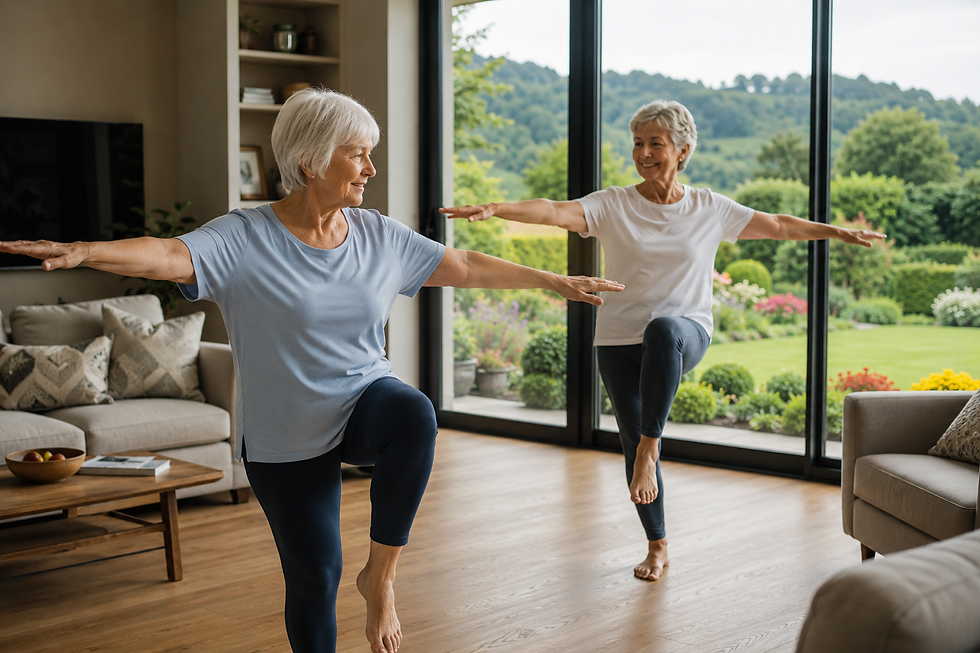
4. Stay Active to Maintain Strength and Balance
Regular movement helps maintain muscle strength, coordination, and balance, all essential for preventing falls. Gentle exercises such as walking, stretching, or balance-focused activities can significantly improve stability and confidence over time.
5. Install Grab Rails and Handrails
Strategically placed grab rails in bathrooms, near toilets, and in showers provide extra support where slips are more likely. Ensure staircases have sturdy handrails on both sides. These small additions can make a big difference in preventing loss of balance.
6. Review Medications Regularly
Some medications, or combinations of them, can cause dizziness, drowsiness, or reduced coordination. Regularly review medications with a healthcare professional to ensure they are not increasing fall risk.
7. Keep Frequently Used Items Within Easy Reach
Avoid the need to stretch, bend, or climb by keeping everyday items at waist-to-shoulder height. Rearranging cupboards and shelves can reduce the likelihood of overreaching or using unsafe methods like standing on chairs.
8. Take Extra Care in Wet Areas
Bathrooms, kitchens, and outdoor paths can become slippery. Use non-slip mats in showers and on floors, and clean up spills immediately. Consider anti-slip coatings for tiles and outdoor surfaces to improve grip.
9. Have Regular Vision and Hearing Checks
Changes in vision or hearing can affect balance, depth perception, and awareness of surroundings. Regular check-ups ensure that glasses or hearing aids are up to date, helping you move safely and confidently.
10. Consider Wearing Protective Safety Devices
Alongside prevention strategies, wearing a fall alert device adds an extra layer of security. Devices with automatic fall detection can quickly alert for help if a fall occurs, providing reassurance, faster response times, and peace of mind for both the wearer and their loved ones.
We're Here to Help
At Adaptive Clothing Australia, we are proud to support our community with solutions that enhance safety, dignity, and independence.
If you would like more information about our watches or pendants, or to organise a demonstration, either in home or via phone we’d love to hear from you.
Stay safe, stay confident, and enjoy the beautiful April and Autumn days ahead.

==========================================================================================================================
Disclaimer
The content published on this blog is provided for general informational and educational purposes only and does not constitute legal, medical, financial, professional, or other advice of any kind.
No information contained in this blog is intended to replace or substitute for professional advice, diagnosis, or treatment.
Readers acknowledge and agree that any reliance on the information provided is undertaken entirely at their own risk. Adaptive Clothing Australia., its owners, contributors, affiliates, and representatives expressly disclaim all liability for any loss, damage, injury, or adverse outcome arising directly or indirectly from the use of, or reliance upon, any content published herein.
Before making any decisions or taking any action based on information obtained from this blog, readers should consult an appropriately qualified professional relevant to their specific circumstances and needs.

.png)
Comments